Writing a book yourself can cost nothing but time. Professional editing of an 80,000-word novel runs about $960 to $2,800 per round at the Editorial Freelancers Association's 2026 median rates, and a ghostwriter charges about $20,000 to $40,000 for the same novel. AI book generators sit at the other end, from a few dollars to about $30 for a finished draft.
We make Bookbind, an AI book creator, so we sell one of the options below. The editing and ghostwriting rates come from the Editorial Freelancers Association's 2026 Rate Chart, based on a survey of more than 1,100 editorial professionals run from November 2025 to January 2026, and Bookbind's prices from its own price list. We checked both on October 25, 2026.
What does it cost to write a book yourself?
In money, nothing: a free word processor and your own time are enough to write a whole book. Google Docs costs nothing, most computers come with a text editor, and dedicated writing software is optional. Our comparison of book writing software has October 2026 prices if you want more than a blank page.
The real cost is time. At 1,000 words a day, an 80,000-word novel takes 80 writing days for a first draft; at 500 words a day it takes 160. Then come revision passes, which take time of their own. How long it takes to write a book breaks down real paces, and a book outline template cuts the time lost to rewriting.
If you spend money, it goes on the finishing: editing, a cover and formatting. Editing is the part that belongs to the manuscript, so it comes next.
How much does a book editor cost?
Editors usually charge by the word, and the EFA's 2026 median rates run from about 1 cent a word for proofreading fiction to 5 cents for a developmental edit of nonfiction. The four kinds of edit, from the biggest picture to the smallest detail:
| Kind of edit | What it fixes | Fiction | Nonfiction | Memoir |
|---|---|---|---|---|
| Developmental edit | Structure, plot or argument, pacing, characters | 3.0–3.5¢ a word | 4.0–5.0¢ | 3.5–4.5¢ |
| Line edit | Sentences, voice, clarity, flow | 2.7–3.5¢ | 3.5–5.0¢ | 3.0–4.0¢ |
| Copyedit | Grammar, consistency, word choice, facts | 2.0–2.7¢ | 3.0–4.0¢ | 2.7–3.5¢ |
| Proofread | Typos and layout errors in the final pages | 1.2–2.0¢ | 2.0–3.0¢ | 1.7–2.0¢ |
The EFA publishes these as median rate ranges, and it reports hourly rates too: $52.50 to $70 an hour for a developmental edit of fiction and $35 to $45 for proofreading it, for example. Real quotes depend on the editor's experience, the state of the manuscript and the deadline.
Applied to two typical books, the medians come to:
| Kind of edit | 80,000-word novel | 50,000-word nonfiction book |
|---|---|---|
| Developmental edit | $2,400–$2,800 | $2,000–$2,500 |
| Line edit | $2,160–$2,800 | $1,750–$2,500 |
| Copyedit | $1,600–$2,160 | $1,500–$2,000 |
| Proofread | $960–$1,600 | $1,000–$1,500 |
| All four | $7,120–$9,360 | $6,250–$8,500 |
Children's books are priced differently. A picture book has only a few hundred words, so editors often quote by project rather than by word, and the EFA's per-word figures for picture books aren't a useful guide to a whole book's cost.
Which edits does your book actually need?
Not every book needs all four rounds, but a book you sell should get at least a copyedit or a careful proofread. A sensible order for a self-published book:
- Self-edit first. Read the whole draft aloud, cut what repeats and fix what you can. Every hour you spend here lowers the bill later.
- Get free structural feedback. Beta readers and critique partners catch the big problems, such as a slow middle or a confusing argument, that a developmental editor would charge for.
- Buy the developmental edit only if the structure needs it. It's most worth it for a first novel or a book that beta readers found confusing.
- Copyedit before you format. Consistent names, dates, spellings and facts are what readers notice when they're wrong.
- Proofread the typeset pages. Formatting introduces its own errors, so the last check happens on the final files.
A copyedit plus a proofread of an 80,000-word novel comes to about $2,560 to $3,760 at the EFA's medians, about 36 to 40 percent of the four-round total.
How much does a ghostwriter cost?
A ghostwriter charges about 25 to 50 cents a word for full-length fiction and up to $1 a word for memoir and business books, at the EFA's 2026 median rates. By the hour, the medians run $80 to $125.
| Kind of book | EFA median rate per word | Per hour | Example book | Example cost |
|---|---|---|---|---|
| Fiction, full-length | 25¢–50¢ | $80–$100 | 80,000 words | $20,000–$40,000 |
| Nonfiction, full-length | 33¢–50¢ | $85–$100 | 50,000 words | $16,500–$25,000 |
| Memoir | 50¢–$1.00 | $80–$100 | 60,000 words | $30,000–$60,000 |
| Business and marketing | 50¢–$1.00 | $87.50–$125 | 40,000 words | $20,000–$40,000 |
What the fee buys usually includes interviews or story sessions with you, an outline, the full draft and a set number of revisions. Editing, the cover and publishing are often extra. Before you sign, agree in writing who owns the manuscript, whether the ghostwriter is credited, how many revision rounds are included and what happens if you part ways halfway.
How much does it cost to write a book with AI?
From a few dollars to about $30 for a complete draft on an AI book generator, plus your time to read and edit it. Bookbind prices each book in credits, shown on the plan before you pay, and a $12 pack buys 120 credits that never expire:
| Book on Bookbind | Credits | At the pack rate |
|---|---|---|
| Lead magnet, 6 chapters | 47 | $4.70 |
| How-to guide, 10 chapters | 63 | $6.30 |
| Expert book, 12 chapters | 74 | $7.40 |
| Novella, 13 chapters | 99 | $9.90 |
| Novel, 18 chapters | 131 | $13.10 |
| Novel, 31 chapters | 206 | $20.60 |
| Novel, 44 chapters | 297 | $29.70 |
| Picture book, 24 pages | 145 | $14.50 |
The price covers more than the text: the cover, the typeset print interior and cover wrap, the Kindle edition and KDP's upload screens filled in. Other generators charge monthly subscriptions instead, and our comparison of the best AI book generators sets their prices side by side.
AI doesn't remove every cost. You still need to read the book, fix what doesn't sound like you and check every fact. If you sell it on Amazon, KDP asks you to disclose AI-generated content when you publish, as our guide to selling AI-generated books on Amazon explains. For a book you plan to sell widely, a professional proofread is still money well spent.
How do the ways of writing a book compare on cost?
For an 80,000-word novel, the options range from about $0 to more than $40,000. Using the EFA's 2026 medians and Bookbind's prices:
| How you get the book written | Money spent | Your time |
|---|---|---|
| Write it yourself, no paid help | $0 | Months of writing and revising |
| Write it yourself, then copyedit and proofread | $2,560–$3,760 | Months, plus the two editing rounds |
| Write it yourself with all four edits | $7,120–$9,360 | Months, plus four editing rounds |
| Hire a ghostwriter | $20,000–$40,000, often before editing | Interviews and reviews |
| Generate a draft with Bookbind, then edit it yourself | $20.60 for 31 chapters | Your reading and editing time |
| Generate with Bookbind, edit yourself, then pay a proofreader | About $980–$1,620 | Your editing time, plus the proofread |
None of these is the right answer for everyone. If writing the book is the point, write it and spend your budget on editing. If you need a finished book and have more money than time, a ghostwriter brings a human voice and judgment. If you need a finished, formatted draft fast, a generator gets you there for a fraction of the cost, and your editing makes it yours.
Does a traditional publisher pay for editing?
Yes. When a traditional publisher buys your book, it pays for editing, design and printing, and you don't pay the publisher anything. The catch is getting there: most large publishers only consider manuscripts sent through a literary agent, and Random House's FAQ, for one, recommends working "with an established literary agent." An agent will want a finished, polished manuscript for fiction or a strong proposal for nonfiction. Some writers pay for an edit before querying agents, which is a cost of trying to get published, not of publishing.
Be wary of any "publisher" that asks you to pay to be published. A paid publishing service can be a legitimate choice, but it is a service you're buying, not a publisher investing in your book.
How can you cut the cost of writing a book?
Spend time where it's cheap and money where it matters most.
- Outline before you write. A chapter-by-chapter plan prevents the rewrites that eat months.
- Use free feedback first. Beta readers, critique groups and writing partners catch structural problems for nothing.
- Self-edit in passes. One pass for structure, one for sentences, one for consistency. Read the final pass aloud.
- Ask for a sample edit. Some editors will edit a few pages so you can judge the fit before you commit.
- Buy only the edits you need. A clean, well-structured manuscript may need only a copyedit and a proofread.
- Draft with AI, then make it yours. A generated first draft gives you something to shape, and your revisions add the voice and judgment a reader pays for.
How does Bookbind price a book?
Bookbind shows the whole plan and the exact price before you pay anything, and you pay once per book. Describe the book in a sentence, answer a few questions, and the plan shows every chapter and the credit cost. A text book's first chapter is written, typeset and shown to you free, with its cover, before you decide. When you approve, the credits are spent once, and downloading the finished files is free from then on.
Bookbind's terms promise a fix or a full refund if a package is broken, incomplete or not what was described, and credits for a generation that fails to produce anything are returned automatically.
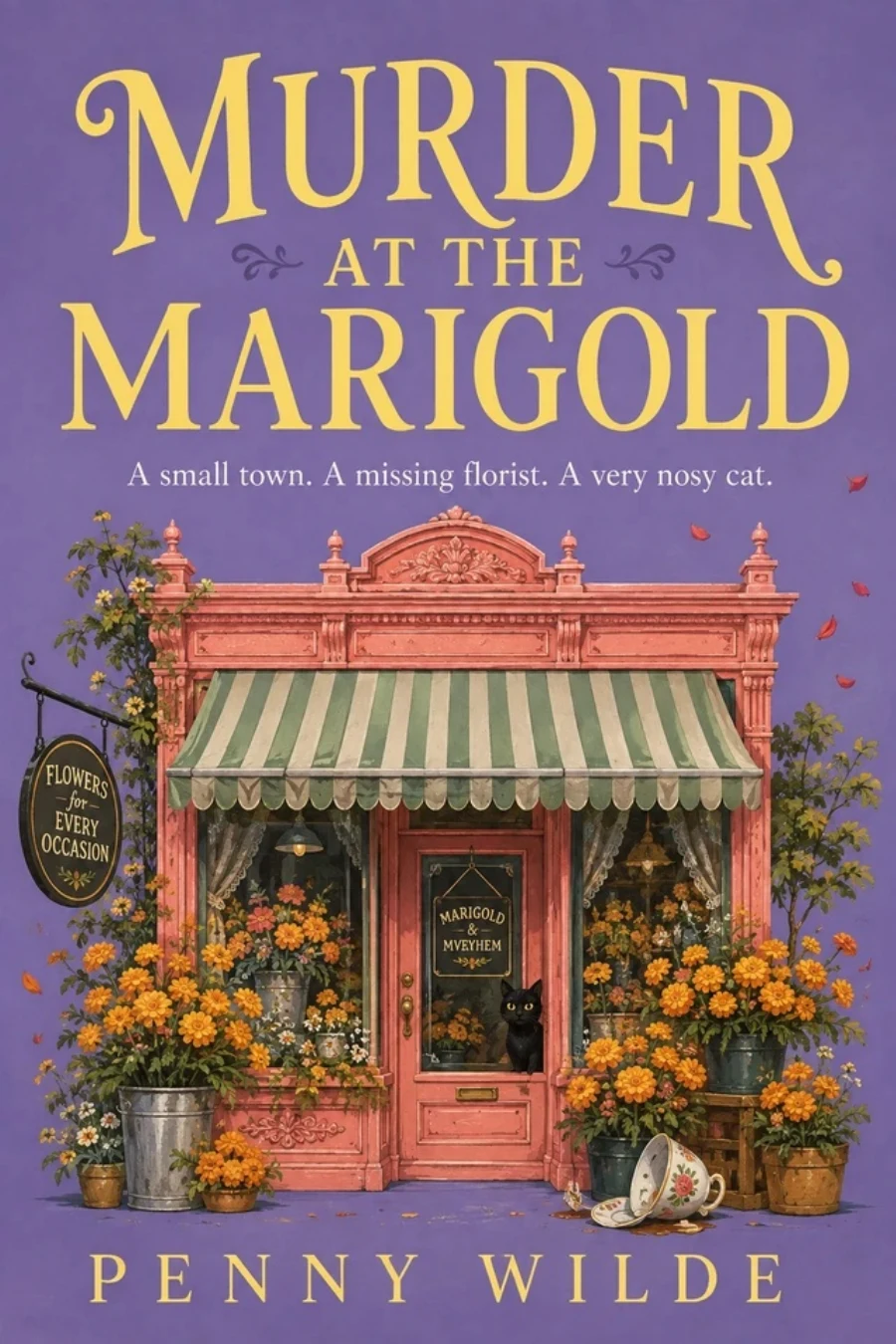
Murder at the Marigold, from a sample cozy mystery generated with Bookbind. Read the sample as a PDF.
Plan your book free and see the price before you pay.
Frequently asked questions
How much does it cost to edit a 300-page book?
A 300-page novel is roughly 80,000 to 90,000 words. At the EFA's 2026 median rates for fiction, a copyedit costs about $1,600 to $2,430 and a proofread about $960 to $1,800, while all four rounds of editing come to about $7,120 to $10,530. Nonfiction rates run higher.
How much does a developmental edit cost?
The EFA's 2026 median rates for a developmental edit are 3.0 to 3.5 cents a word for fiction, 4.0 to 5.0 cents for nonfiction and 3.5 to 4.5 cents for memoir. For an 80,000-word novel that's about $2,400 to $2,800.
How much does proofreading a book cost?
The EFA's 2026 median proofreading rates are 1.2 to 2.0 cents a word for fiction and 2.0 to 3.0 cents for nonfiction, so an 80,000-word novel costs about $960 to $1,600 to proofread.
How much do ghostwriters charge per word?
At the EFA's 2026 median rates, ghostwriters charge 25 to 50 cents a word for full-length fiction, 33 to 50 cents for full-length nonfiction, and 50 cents to $1 for memoir and business books.
Can I write a book for free?
Yes. A free word processor and your own time are enough to write a book, and publishing on Amazon KDP costs nothing upfront. If you plan to sell the book, budget for at least a copyedit or a proofread, and for a cover.
Is it worth paying for an editor?
For a book you plan to sell, usually yes, at least for a copyedit or proofread. Readers notice errors, and reviews mention them. Start with free feedback and a careful self-edit, then pay for the rounds your manuscript actually needs.
How much does it cost to write a book with AI?
On Bookbind, from 47 credits ($4.70 at the pack rate) for a short lead magnet to 297 credits ($29.70) for a 44-chapter novel, including the cover and print-ready files. Subscription tools charge monthly instead. Either way, budget your own time to read and edit the result.
How much does it cost to write a children's book?
Writing a picture book yourself costs nothing. Editors often price picture books by project because they're so short, and illustration is usually the bigger cost. On Bookbind, a 24-page illustrated picture book costs 145 credits, about $14.50, with every page drawn.